 ▶ Open the player
The Beaters
3 albums · 35 tracks on MAD Music · Afro Soul
The story of The Beaters begins on 18 April 1968 at Orlando West High School in Soweto, where four schoolmates were encouraged by their respected principal, Dr Matseke, to form a band for a local fundraising event. Selby Ntuli on guitar and vocals, Alec Khaoli on bass, Monty Ndimande known as Saitana on lead guitar and Sipho Mabuse on drums came together under a name that nodded unmistakably to their favourite British band - and then proceeded to do something far more interesting than imitation.
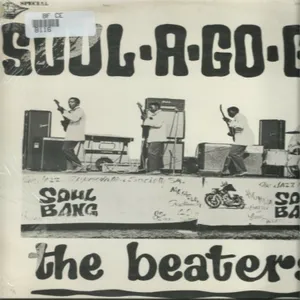
In their earliest incarnation the group performed barefoot in mandarin-collared white jackets, devoted disciples of the Soweto Soul movement that had swept through the townships, drawing on the assertive energy and image of American Stax and Motown artists. Their debut album Soul-A-Go-Go was released in 1969, and the records that followed saw them backing international touring artists including Percy Sledge, Timmy Thomas, Brook Benton and Wilson Pickett on their South African tours, building a reputation as one of the tightest live bands in the country.
The transformation came in 1976. What was intended as a three-week tour of Rhodesia became three months, as the band found the independence struggle unfolding around them both infectious and radicalising. The level of consciousness among the people in Zimbabwe, as Mabuse would later recall, had a profound influence on how the band understood their own music and their own identity. Stories circulated that they helped smuggle liberation movement recruits out of South Africa in their amplifier boxes.
Their song Harari became such a phenomenon with the township residents of Salisbury that people began calling the band by that name. A riot at a South African festival shortly after their return, in which the band were unfairly blamed, only cemented the association further. They were Harari now, and the Nehru jackets and Soweto Soul were behind them.
The 1975 album The Beaters Harari, released on Rashid Vally's As-Shams label, stands as the definitive document of the transition, an eclectic, genre-crossing record containing Love Love Love, Inhlupheko Iphelile, Push It On, Thiba Kamoo and What's Happening, each track reflecting a different strand of the band's accumulated influences. It went double gold. Hugh Masekela arranged an American tour for the band in 1978, but on the eve of their departure Selby Ntuli died. Sipho Mabuse took over leadership, and the group continued under the Harari name until disbanding in 1982. Their legacy, as both The Beaters and Harari, remains foundational to the story of South African popular music.