 ▶ Open the player
Shabalala Rhythm
4 albums · 45 tracks on MAD Music · Maskandi
Shabalala Rhythm is a South African maskandi group that successfully blended traditional Zulu music with contemporary influences, helping introduce the genre to a broader audience during the early 2000s. Formed in KwaZulu-Natal in 1998, the group was built around brothers Sibongiseni Shabalala and Thamsanqa Shabalala, sons of the legendary Joseph Shabalala, founder of Ladysmith Black Mambazo. Drawing on their extensive experience as members of their father's world-renowned ensemble, the brothers joined forces with acclaimed guitarist Maqhinga Radebe to create a fresh musical identity that combined the storytelling of maskandi with elements of isicathamiya, mbaqanga and modern African popular music.
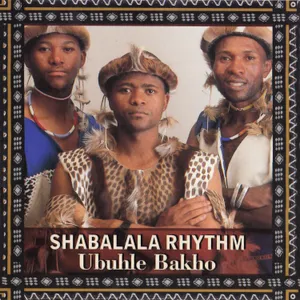
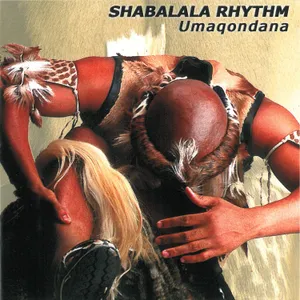
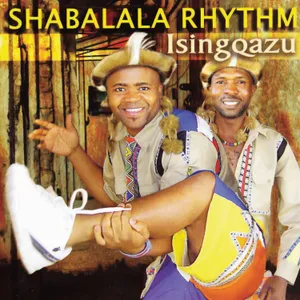
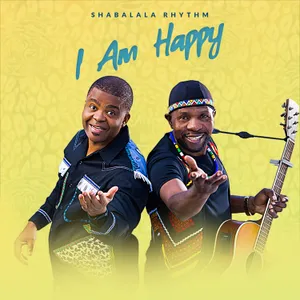
The group's debut album, Ubuhle Bakho, released in 2003, introduced their distinctive sound and received a nomination at the South African Music Awards. It was followed by Umaqondana in 2004, which also earned a SAMA nomination and produced some of the group's best-known songs, including Umaqondana, Kanti Wena Wenzani?, Sengijikelwe Nanguwe and Wath' Ufun' Ukugana. Later albums such as Vuma, Isingqazu, Isikweletu, Please Call Me and Yebo Ngiyavuma further cemented their reputation as one of the country's leading modern maskandi acts.
Shabalala Rhythm's connection to Ladysmith Black Mambazo opened doors to international audiences, with the group performing extensively both locally and abroad. In 2003 they were invited, alongside Ladysmith Black Mambazo and Danny K, to perform at Nelson Mandela's home during a special event honouring Oprah Winfrey. They also performed in Germany on the popular television programme Tigerenten Club and collaborated with respected artists including Oliver Mtukudzi, DJ Tira and Deborah Fraser, broadening their appeal across traditional, gospel and contemporary African music.
Although rooted in maskandi, Shabalala Rhythm distinguished itself through polished production, memorable melodies and a willingness to experiment while remaining true to its cultural heritage. Their blend of traditional musicianship and modern songwriting helped attract a younger generation to the genre, while their SAMA-nominated albums reflected their artistic impact. Today, Shabalala Rhythm remains an important name in South African traditional music, recognised for carrying forward the musical legacy of the Shabalala family while creating a successful identity entirely their own.