 ▶ Open the player
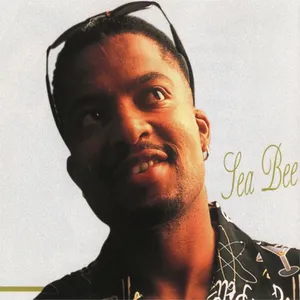
Sea Bee
3 albums · 31 tracks on MAD Music · Funk & Disco
Sea Bee, born Sibi Motloung, was a South African singer whose brief recording career placed him at an important moment in the country's popular music history. Emerging in the early 1990s, he became associated with the township pop and bubblegum sound that was beginning to evolve towards the house-influenced music that would soon become known as kwaito.
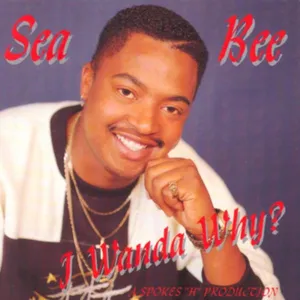
Sea Bee's breakthrough came through his collaboration with producer, composer and arranger Spokes H, whose production became central to the sound of his recordings. His debut album, I Wanda Why?, was released in 1993 through the Mighty Good Sounds imprint, with the Gallo Record Company later preserving the recordings in its vault catalogue. The album contained six tracks, including Home Boy, Thiba, I Wanda Why?, Slow Down, People's Party and Stoppa.
Thiba and Home Boy were particularly successful and have subsequently been described as edutainment hits, combining catchy, dance-oriented production with lyrics rooted in everyday township life. Spokes H produced and arranged the album, while Ishmael Hlatshwayo and Chili Tshabalala are credited as songwriters on several of its tracks. The music carried the energetic, bass-heavy character of early-1990s South African popular music, sitting somewhere between bubblegum, township pop and the emerging kwaito aesthetic.
Sea Bee followed I Wanda Why? with further recordings, including O Kae Molao and Qeto, released around 2000. His career was relatively short, however, and he subsequently disappeared from the mainstream music scene.
His recordings have enjoyed a second life through reissues and digital platforms. In 2018, Afrosynth Records reissued four tracks from I Wanda Why?, introducing Home Boy, I Wanda Why?, Thiba and Stoppa to a new generation of listeners interested in South Africa's electronic and dance music heritage.
Although Sea Bee did not maintain the long public career of some of his contemporaries, his recordings capture a significant transitional period in South African music. His work with Spokes H helped connect the bubblegum era with the sounds and sensibilities that would define the post-apartheid dance floor.