 ▶ Open the player
Phuzekhemisi
17 albums · 182 tracks on MAD Music · Mbaqanga
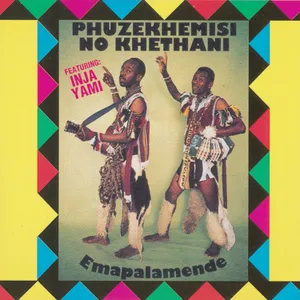
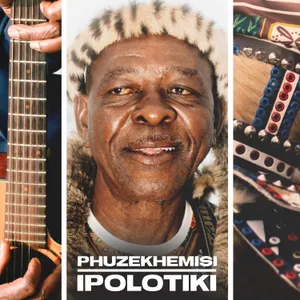
Phuzekhemisi (born Zibokwakhe Johnstone Mnyandu) is a vital force in the South African maskandi scene and is widely regarded as a defining voice in the development of the genre. Emerging from Umkomaas on the KwaZulu-Natal South Coast, he grew up immersed in traditional Zulu musical forms, which would later shape his distinctive storytelling style and guitar-led sound. He first rose to prominence in the early 1990s alongside his brother Khethani as the duo Phuzekhemisi no Khethani. Their breakthrough album Imbizo became a landmark release in maskandi, known not only for its commercial success but also for its bold commentary on social and political issues affecting rural communities. The duo’s work often challenged authority and gave voice to everyday struggles, helping to position maskandi as a form of social commentary rather than purely entertainment. Following his brother’s passing, Phuzekhemisi continued as a solo artist and built a sustained career spanning several decades. He has released more than 20 albums and is recognised for maintaining a consistent traditional maskandi sound while still engaging with contemporary influences. His work is characterised by intricate guitar arrangements, strong narrative lyricism and themes that often reflect inequality, land issues and cultural identity in post-apartheid South Africa. He has also collaborated with a wide range of South African artists across genres, helping to bridge maskandi with kwaito, Afro-pop and other modern styles. This cross-genre work has contributed to expanding the audience for traditional Zulu music beyond rural communities. He was also part of the maskandi project, Izinqunqulu Zomhlaba, alongside prominent maskandi voices Mfaz’ Omnyama and Ihhashi Elimhlophe, to further the genre. Phuzekhemisi’s contribution has been widely recognised within the South African music industry, with multiple awards and honours over his career. He has also been celebrated through cultural projects, including a stage musical based on his life and work, reflecting his status as a cultural figure rather than only a recording artist. He is considered one of the foundational figures of maskandi, both preserving its traditional roots and helping shape its evolution into a nationally recognised genre.
Albums