 ▶ Open the player
Mfaz' Omnyama
8 albums · 84 tracks on MAD Music · Maskandi
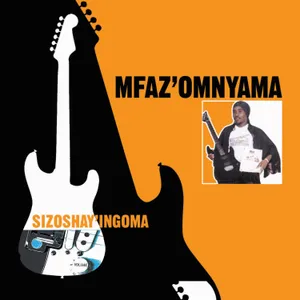
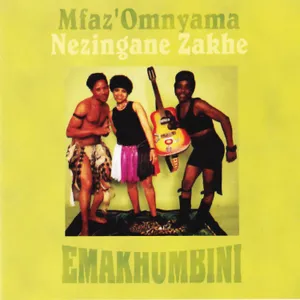
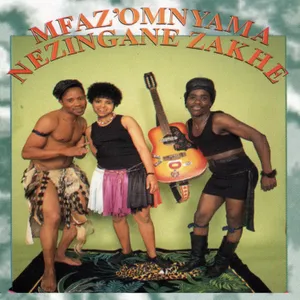
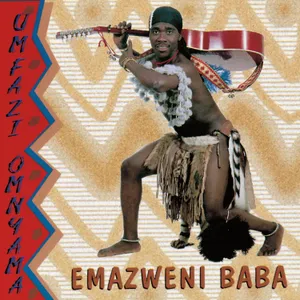
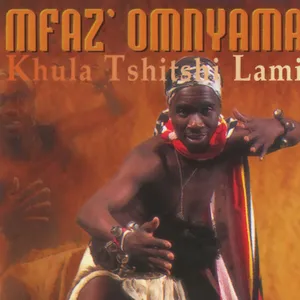
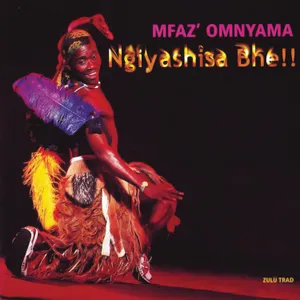
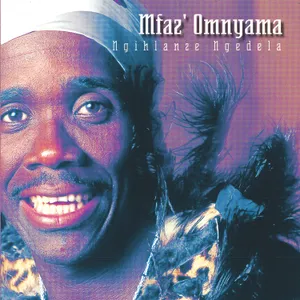
Mfaz’ Omnyama holds a respected place in the history of Maskandi music, a genre deeply rooted in Zulu storytelling, guitar tradition and lived experience. Emerging from Nongoma in KwaZulu-Natal, he became known for a raw, expressive style that combined sharp lyrical observation with a distinctive left-handed guitar technique and a voice that carried both urgency and emotion. Born Mpatheni Khumalo in 1959, Mfaz’ Omnyama began his musical journey far from the recording studio, working as a miner while developing his craft through self-teaching and performance in everyday environments. It was during this period that he was discovered by influential Ukhozi FM broadcaster Bhodloza Nzimande, a moment that opened the door to a professional recording career and set him on a path to becoming one of Maskandi’s defining voices. His breakthrough came in the mid-1990s with the release of albums such as Emazweni Baba, followed by Amagugu, Khula Tshitshi Lami, Ngiyashisa Bhe!! and Ngisebenzile Mama. These recordings established his reputation for storytelling that spoke directly to rural life, migration, love, struggle and social realities, delivered with a rhythmic drive that made his music both reflective and highly accessible. Across his most recognisable songs, including Khula Tshitshi Lami, Ngisebenzile Mama and Ngiyashisa Bhe, Mfaz’ Omnyama developed a catalogue that remains widely respected within Maskandi circles. His work is often noted for its balance between traditional Zulu musical structure and a more contemporary recording approach that helped bring the genre to wider audiences in the 1990s. He also contributed to collaborative projects such as Izingqungqulu Zomhlaba, alongside figures like Phuzekhemisi and Ihhashi Elimhlophe, reflecting a period of strong creative exchange within Maskandi music. These collaborations helped shape a broader movement that pushed the genre into more prominent national visibility. Mfaz’ Omnyama passed away in 2001 at the age of 42, leaving behind a catalogue that continues to influence contemporary Maskandi artists. His music remains a strong reference point for storytelling and guitar style within the genre, securing his place as one of its important modern architects of the Maskandi era.
Albums