 ▶ Open the player
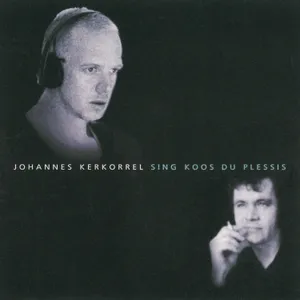
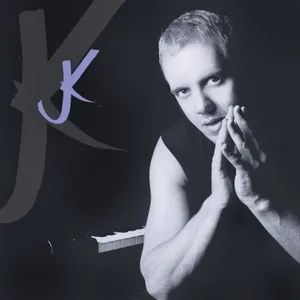
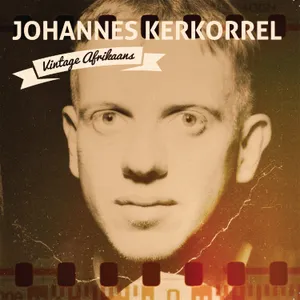
Johannes Kerkorrel
8 albums · 109 tracks on MAD Music · Rock
Before he was Johannes Kerkorrel, he was Ralph John Rabie, a Johannesburg-born journalist writing for the Afrikaans papers Die Burger and Rapport. Nothing about that career suggested he would become one of the most disruptive voices in South African music. But in 1986 he began performing politically charged cabaret under a new stage name, borrowed from the Afrikaans word for church organ, and within a year he'd been fired from Rapport for quoting P.W. Botha's own speeches back at him in song.
That firing only accelerated things. Fronting the Gereformeerde Blues Band, Kerkorrel released the debut album Eet Kreef in 1989, promptly banned from state radio, which did nothing to stop it becoming a cult sensation. That same year, alongside Koos Kombuis and James Phillips, he co-headlined the Voëlvry tour, taking rebellious, satirical Afrikaans rock onto university campuses across the country. The tour turned him into a spokesman for a generation of young Afrikaners pushing back against apartheid orthodoxy, drew the attention of the security police, and earned him comparisons to Bob Dylan.
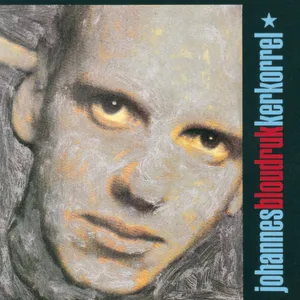
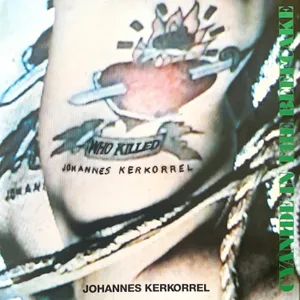
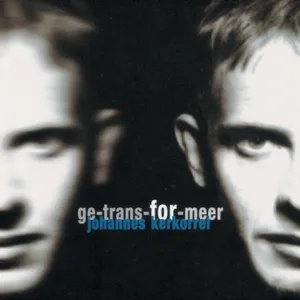
His solo work carried that momentum into the 1990s and beyond: Bloudruk became a hit as far afield as Belgium and Luxembourg, while Cyanide in the Beefcake won him a SAMA for Best Pop Music Performance in 1995. Two years later, Ge-trans-for-meer brought him SAMAs for Best Male Vocalist and Best Adult Contemporary Album, and in 2001 Die Ander Kant picked up Best Pop Album and Best Adaptation honours at the Ghoema Awards. In 1994, he performed at Nelson Mandela's inauguration, a striking bookend to a career built on defying the old order.
Kerkorrel died by suicide on 12 November 2002 at his holiday home in Kleinmond, on the Western Cape coast. He was 42. Nearly a quarter-century later, his songs remain a touchstone for Afrikaans musicians still working out what it means to rebel.
Albums