 ▶ Open the player
Joe Nina
8 albums · 86 tracks on MAD Music · Kwaito
Makhosini Henry Xaba was born on 12 June 1974 in Kwa-Thema township on the East Rand into a family where music was simply part of daily life. His father was a guitarist and his mother a backing vocalist in the same local band, and from the age of three he was accompanying them to performances across South Africa and into Swaziland, absorbing the energy of township stages before he could fully understand what he was watching. By his early teens he was in the garage studio at home, teaching himself piano, guitar and drums with the quiet single-mindedness of someone who already knew exactly where he was headed.
His earliest recordings appeared in the early 1990s under the aliases T McCool and King Rap, reflecting a restless musical curiosity that refused to settle in any one genre. The breakthrough came in 1994 with the album Ding Dong and its chart-topping single Maria Podesta, which announced him as a genuine commercial force. But it was his work as part of the duo LA Beat, alongside Mdu Masilela, that cemented his place in South African musical history. Their song Boss of the Road, a slow-paced township groove unlike anything that had come before it, is widely credited as one of the founding texts of kwaito. Joe Nina was subsequently celebrated as one of the pioneers of the genre, a title that has followed him with complete justification ever since.
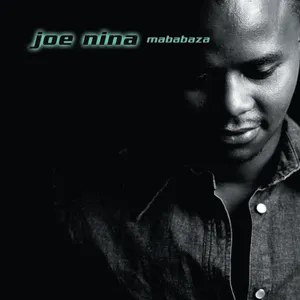
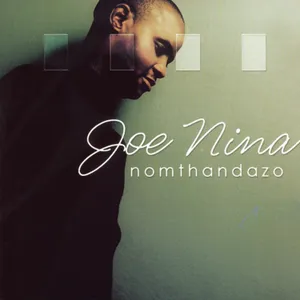
Over a career spanning more than three decades he released 20 albums, with platinum-selling works including Sghubu, Mababaza in 2000 and Nomthandazo in 2001. He produced for more than 50 artists including Brenda Fassie, Sibongile Khumalo, Ray Phiri and Tsepo Tshola, won three South African Music Awards, wrote the theme song for and appeared in the 1997 Channel Four film Jump the Gun, and founded his own label, Killa Joe Records, through which he launched groups including Nina Bros and Luv.
Joe Nina remains one of the most quietly influential figures South African popular music has produced.