 ▶ Open the player
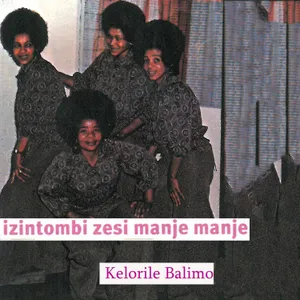
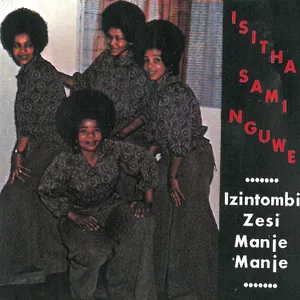
Izintombi Zesi Manje Manje
31 albums · 221 tracks on MAD Music · Mbaqanga
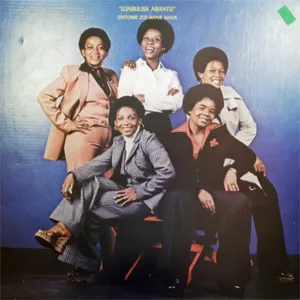
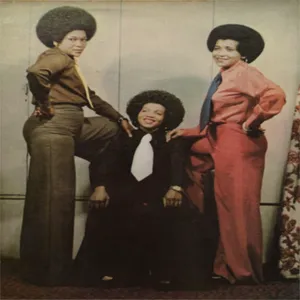
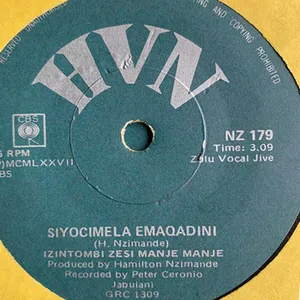
In the fiercely competitive world of 1960s South African mbaqanga, where rival labels fought for supremacy single by single and week by week, Izintombi Zesi Manje Manje stood as the most formidable challenge to the genre's reigning queens. Formed in late 1967 by producer Hamilton Nzimande at the Gramophone Record Company, a CBS subsidiary, the group whose name translates simply as the ‘modern girls’ was Nzimande's deliberate and considered answer to Rupert Bopape's all-conquering Mahotella Queens at Gallo's Mavuthela Music.
Nzimande had history on both sides of the divide. He had previously worked as a talent scout at EMI before being appointed producer of the Dark City Sisters and the Flying Jazz Queens. When Gallo launched Isibaya Esikhulu, meaning the ‘big kraal’, as a new Black music production company expressly designed to challenge Mavuthela's dominance, Nzimande was the natural choice to lead it. In a shrewd opening move he lured several former Queens away from Gallo, and built his flagship group around them.
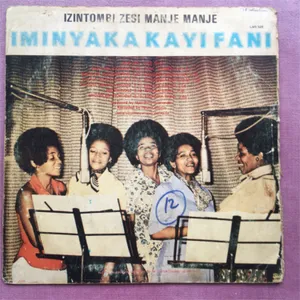
The founding line-up of Sannah Mnguni, Francina Thopi Mnguni, Nomvula Nunu Maseko and Thoko Khumalo found popularity almost immediately. Singles including Uyawuz Umoya Makoti, Pendula Magwala and the breakout hit Is'dudla Sik' Joseph established the group's sound with striking speed. It was Sannah's earthy contralto that gave Izintombi their most distinctive quality, anchoring the group's delivery over the driving groaner-and-groove formula that defined mbaqanga's golden era. Their groaner, Bhekitshe Shabalala, played precisely the same role for Izintombi that the legendary Mahlathini played for the Queens, and for a period in the early 1970s the two groups were genuinely neck and neck, with Izintombi regularly outselling their rivals.
The group's internal stability proved more fragile than their commercial momentum. Sannah departed after only a year, joining Irene Mawela's Sweet Sixteens at Troubadour Records, with Bhekitshe Shabalala following her. She returned around 1970, bringing with her a younger Sweet Sixteens member named Jane Dlamini, and further successful recordings followed. Then in 1972 the majority of the original line-up quit altogether. Sannah, Thopi and Thoko moved to EMI and formed a new group called Amagugu, leaving Nzimande to rebuild almost from scratch. He did so with considerable resourcefulness, recruiting Nobesuthu Shawe, who had briefly been a member of Izintombi in 1967 before joining the Mahotella Queens, alongside Ruth Mafuxwana, Lindiwe Mthembu and Hilda Tloubatla. With Jane Dlamini as the central figure of this rebuilt line-up, the group continued recording and performing with reasonable success until the broader decline of mbaqanga in the face of disco and bubblegum culture forced them to disband in 1985.
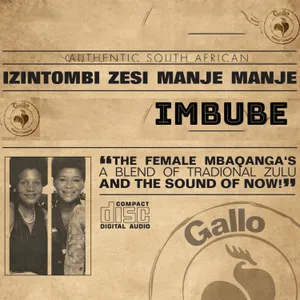
The story did not end there entirely. Jane Dlamini regrouped with former members around 1988, inspired partly by the international attention South African music was receiving in the wake of releases such as The Indestructible Beat of Soweto and Paul Simon's Graceland, and formed Isigqi Sesimanjemanje, meaning the 'modern sound', continuing the lineage into a new era. Their 1968 split LP with Space Queens, Ingwe idla Ngamabala, and the reissued African Classics compilation remain essential documents of the period when the girl groups of Gallo and GRC fought it out on the South African airwaves, and Izintombi Zesi Manje Manje were right at the centre of it all.
Albums