 ▶ Open the player
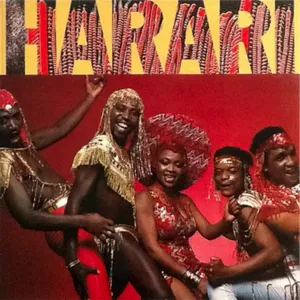
Harari
12 albums · 81 tracks on MAD Music · Afro Beat
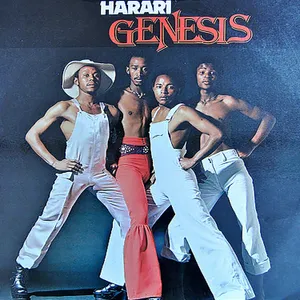
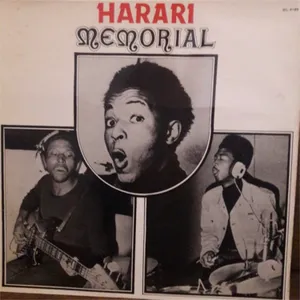
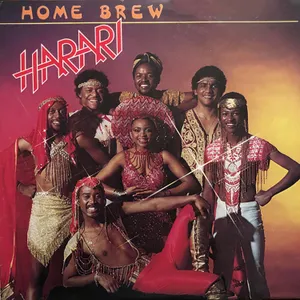
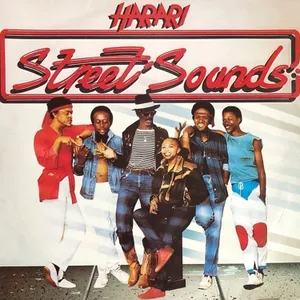
They started as schoolboys playing American soul in the townships of Orlando West, Soweto, and ended up as one of the most politically charged and musically significant bands South Africa has ever produced. Formed in the late 1960s under the name The Beaters by former high school classmates Selby Ntuli on guitar and vocals, Alec Khaoli on bass, Monty Ndimande on lead guitar and Sipho ‘Hotstix’ Mabuse on drums, the group were encouraged by their school principal to perform at fundraisers, and never really stopped after that.
In their early years The Beaters were devoted disciples of what became known as Soweto Soul, drawing heavily on the sound and image of American Stax and Motown acts while singing in isiZulu and Sesotho. They backed international artists including Percy Sledge, Wilson Pickett and Brook Benton on their South African tours, earning a reputation as one of the tightest live bands in the country.
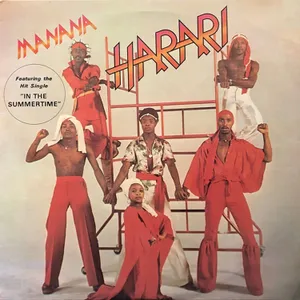
Everything changed after an extended tour of ‘Rhodesia’ in the mid 1970s. Immersed in the liberation struggle unfolding around them and energised by the growing Black Consciousness movement both abroad and at home, the band returned to South Africa transformed. They adopted dashikis and Afros, renamed themselves Harari and began fusing their township soul with funk, jazz, rock and mbaqanga into something entirely new.
Their 1975 album The Beaters, released just before the name change, and Rufaro, meaning Happiness, recorded in 1976, became cornerstones of South African afro-rock. That same year they were voted South Africa's top instrumental group and became the first Black pop and rock band to appear on South African television, a landmark moment in a country where the apartheid state controlled broadcasting with deliberate exclusion.
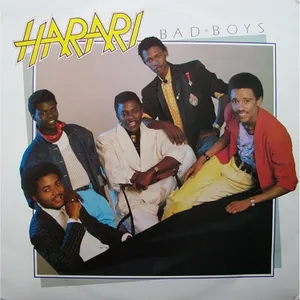
The band's lineup evolved considerably across the following decade, with notable members including keyboardist Thelma Segonah, lead vocalist Lionel Petersen and guitarist Condry Ziqubu passing through its ranks. Sipho Mabuse and Alec Khaoli remained the nucleus throughout, and the Harari alumni list reads like a who is who of South African music.
Harari's legacy endures as a band that used every note as an act of quiet resistance, building something joyful and defiant in equal measure.
Albums