 ▶ Open the player
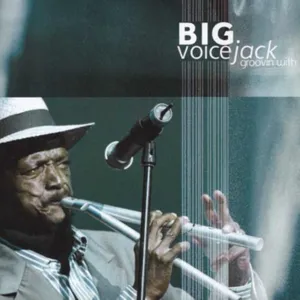
Big Voice Jack Lerole
5 albums · 27 tracks on MAD Music · Instrumental
The unmistakable sound of a penny whistle drifting through the streets of Alexandra became the soundtrack to a musical revolution, and at its centre was Big Voice Jack Lerole. His infectious kwela melodies and commanding bass vocals helped carry township music beyond South Africa's borders, earning him a place among the country's most celebrated musical pioneers.
Born Aaron Jack Lerole in Johannesburg around 1940, he grew up in Alexandra, where he learnt to play the penny whistle alongside his brother Elias. During the 1950s, he became a driving force behind the rise of kwela, the lively, jazz-inspired street music that would become one of South Africa's first internationally recognised musical genres. Lerole performed with groups including the Alexandra Shamba Boys and Elias and His Zig-Zag Jive Flutes.
The group's instrumental classic Tom Hark became an international hit in 1958, selling millions of copies and introducing township music to audiences across the world. Although the musicians received little financial reward from its success, the song remains one of South Africa's best-known musical exports. As a solo artist, Lerole also recorded favourites including Blues Ngaphansi, Cherry Beat, Big Voice Jack, Tully La Fluter, Groovin’ and Bongo Twang Jive. His powerful bass vocals inspired the nickname ‘Big Voice’, while his lively performances made him one of the country's most recognisable entertainers.
In 1984, Lerole co-founded Mango Groove, bringing the spirit of kwela to a new generation and co-writing the band's enduring hit Dance Some More. His international reputation grew further when he performed with the Dave Matthews Band during their 1998 United States tour. Following his death from throat cancer in 2003, he was honoured with a posthumous Lifetime Achievement Award at the 2004 South African Music Awards, recognising a legacy that continues to shape South African music today.