 ▶ Open the player
Bambata
2 albums · 23 tracks on MAD Music · Afro-folk
Bambata is a South African musical project rooted in Zulu heritage, traditional music and the history of resistance. Conceived in the 1990s by producer and music executive Sipho Sithole, Bambata takes its name from Bambatha kaMancinza, the Zulu chief who led resistance against the British colonial authorities during the 1906 Bambatha Rebellion in Natal.
The origins of the project date back to 1994, when Sithole met singer Philangezwi Bongani Nkwanyana at the Windybrow Arts Festival. The project developed further when Nkwanyana was joined by his cousin, Maskandi singer and guitarist Mathufela Zuma. Bheki Khoza and other musicians subsequently contributed to the project, with different artists brought together according to the character and requirements of individual recordings.
Bambata’s music is notable for its fusion of Zulu traditional rhythms, amahubo folk music and Maskandi guitar with African jazz and contemporary influences including reggae, hip hop, rap and kwaito. Its songs frequently explore themes of history, identity, oppression, resistance and social struggle, connecting South Africa’s musical heritage with contemporary issues.
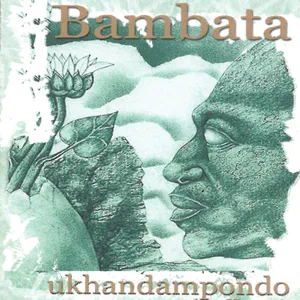
The project released its first album, 1906, in 2000. Its second album, Ukhandampondo (Poll Tax), followed in 2002, while Abashokobezi 1906–2006 was released in 2006 to mark the centenary of the Bambatha Rebellion. The albums brought together a range of respected South African musicians, including appearances by artists such as Jabu Khanyile and Thandiswa.
Bambata’s debut album received three South African Music Award nominations in 2001, for Best Newcomer, Best Zulu Music and Best Adult Contemporary Album: African, while Sipho Sithole was nominated for Best Producer.
Through its combination of traditional Zulu musical language, contemporary African sounds and historical storytelling, Bambata created a distinctive body of work that celebrates cultural heritage while reflecting on South Africa’s complex social and political history.