 ▶ Open the player
Amaswazi Emvelo
13 albums · 126 tracks on MAD Music · Mbaqanga
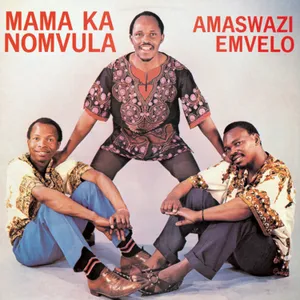
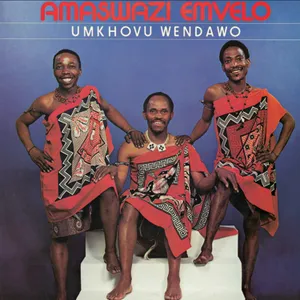
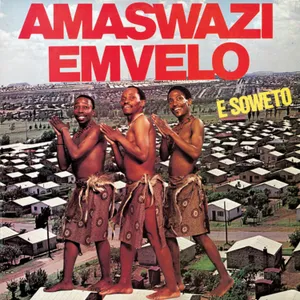
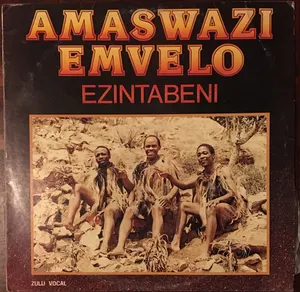
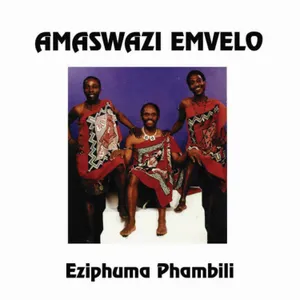
Amaswazi Emvelo were the sound of Soweto under apartheid, and few descriptions of any group have ever been more accurate. A male vocal trio rooted in the Soweto township scene, they emerged in the early 1970s at the moment when mbaqanga was forging its most electrifying identity, drawing on Zulu vocal traditions, African American rhythm and blues, township jazz and the accumulated musical intelligence of a community that had been creating beauty under extraordinary pressure for decades. Their signature was immediately recognisable: a heavy, bouncing bassline, ringing electric guitars, and tight multi-part harmonies that pulsed with the energy and contained tension of life in the townships.
Recorded for Gallo Records and produced within the orbit of the storied Mavuthela Music stable, the group became closely and productively associated with Simon Nkabinde, known as Mahlathini and celebrated as the Lion of Soweto, whose deep-voiced basso profundo groaning style had come to define mbaqanga since the 1960s. When the Mahotella Queens lineup disintegrated in the early 1980s, Mahlathini found in Amaswazi Emvelo a natural and powerful collaborating partner. Together they recorded Utshwala Begazati in 1985 and the acclaimed Indodemnyama in 1987, both produced by West Nkosi and both capturing the full weight and momentum of the mbaqanga tradition at its most authoritative.
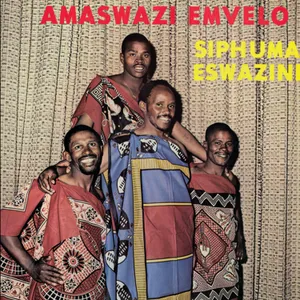
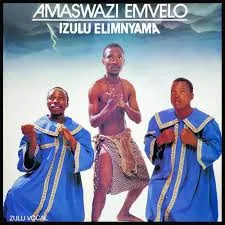
Their discography, spanning Siphuma Eswazini in 1979 through Thul'ulalele in 1981 and Izulu Elimnyama in 1984, had already established them as a serious presence on the South African music scene before the moment that would bring them to the world's attention. In 1985, the British-based Earthworks label released The Indestructible Beat of Soweto, a landmark compilation conceived by South African expatriates Trevor Herman and Jumbo Vanrenen and featuring recordings made between 1981 and 1984. Two Amaswazi Emvelo tracks appeared on it: Thul'ulalele, meaning just stop and listen, and Indoda Yejazi Elimnyama, meaning the man in the black coat. The compilation reached audiences across Europe and America who had never encountered this music before, and Rolling Stone would later rank it at number 497 in its 500 Greatest Albums of All Time. Amaswazi Emvelo were placed, rightly and permanently, alongside Ladysmith Black Mambazo and Mahlathini and the Mahotella Queens as defining voices of South African popular music's golden age.
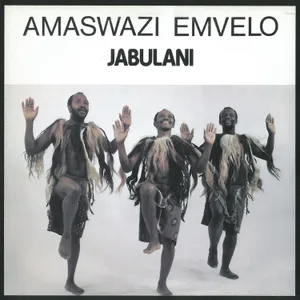
Songs including Jabula Mfana extended a catalogue that closed, at least in its documented commercial form, with You're Telling Tales in 1990, billed jointly as Mahlathini and Amaswazi Emvelo. The bulk of their recorded output remains in the Gallo vault, an essential archive of the music that carried the spirit of Soweto out into the world.
Albums